Executing a 45-Wagon Sugar Export Within an 8-Hour Rail Window A Rail Export Case Study
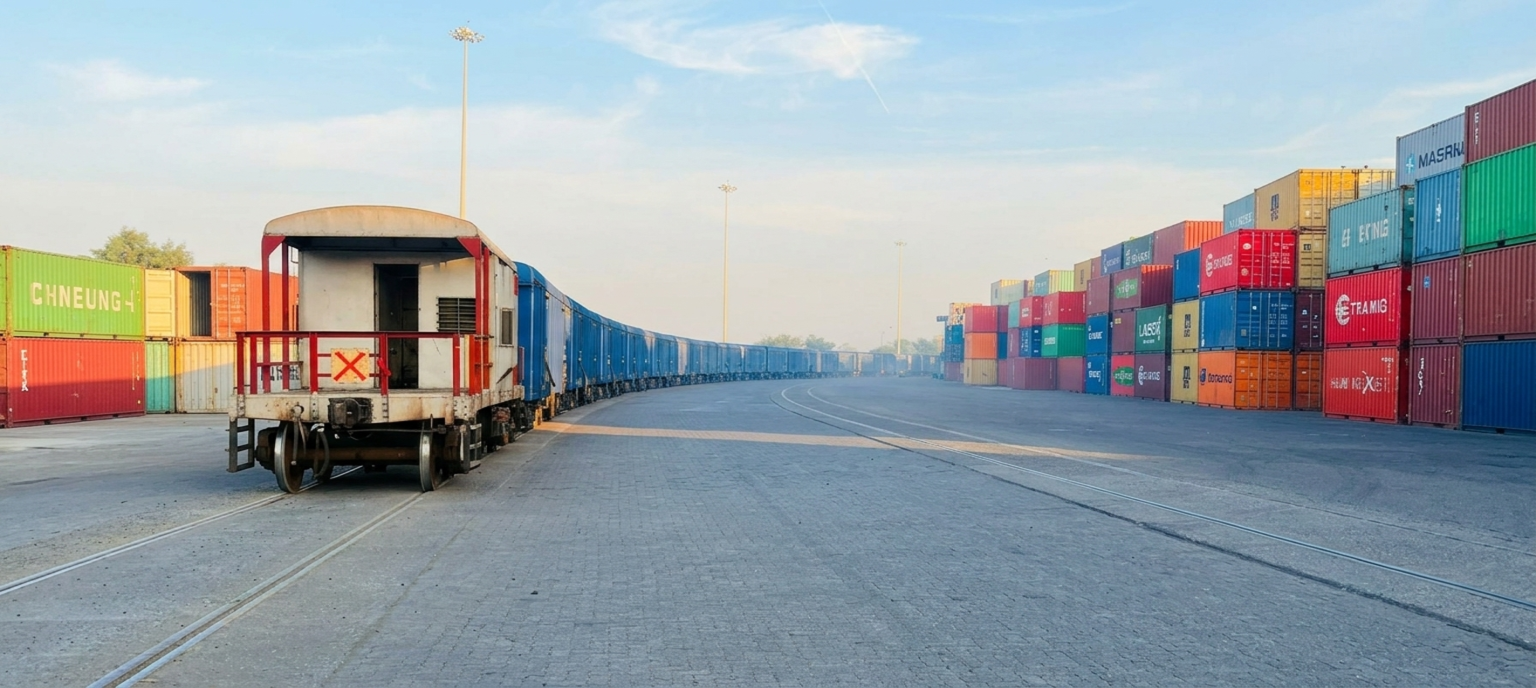
In rail-based logistics, wagon dwell time and placement delays are a major operational risk. Even small delays at the wagon level can spread through the supply chain. This results in higher costs, schedule slippage, and reduced service reliability. The risk increases during regulated export windows, where flexibility and recovery options are limited.
One such challenge was addressed by Isa Logistics during a sugar export movement for Rika Global.
The Challenge
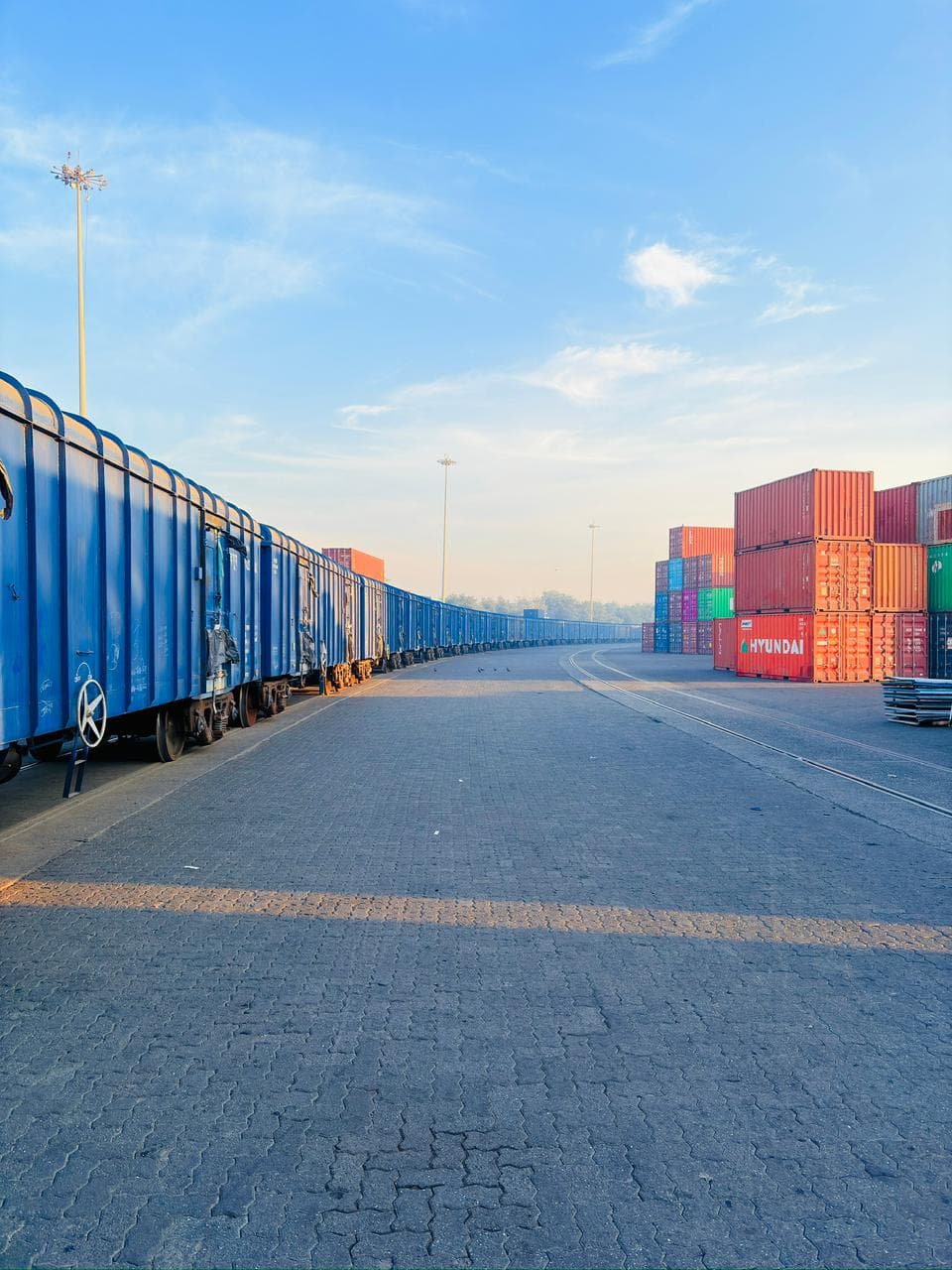
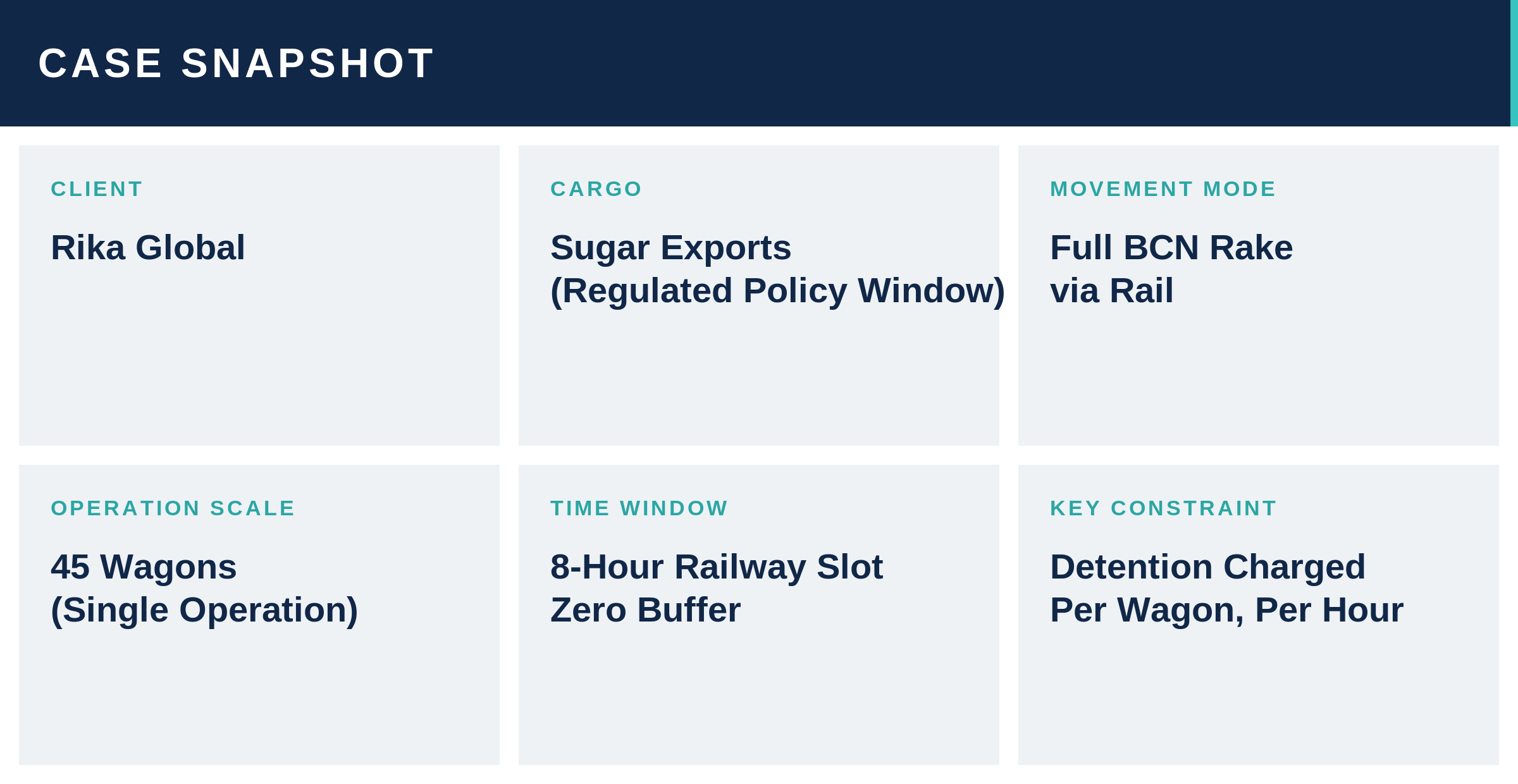
During a tightly regulated sugar export window, Rika Global required rapid evacuation of export cargo through rail. The movement involved a full BCN rake of 45 wagons, governed by Indian Railways detention rules that apply per single wagon, per hour.
Any delay on even one wagon could trigger detention charges, disrupt shipment schedules, and put exports at risk during a sensitive policy window. The entire operation had to be completed within a fixed 8-hour railway window, with no margin for rework or idle time.
Why This Was Complex
At this scale, bulk agro-exports could not rely on capacity alone. Precision was critical.
A full BCN rake required coordinated stuffing, wagon placement, and paperwork.
Detention was charged per wagon, increasing financial risk.
The cargo included mainly sugar, with rice handled alongside it.
Any delay could lead to re-handling of cargo, adding cost and operational disruption.
The Isa Approach: Micro-Planned Rail Execution
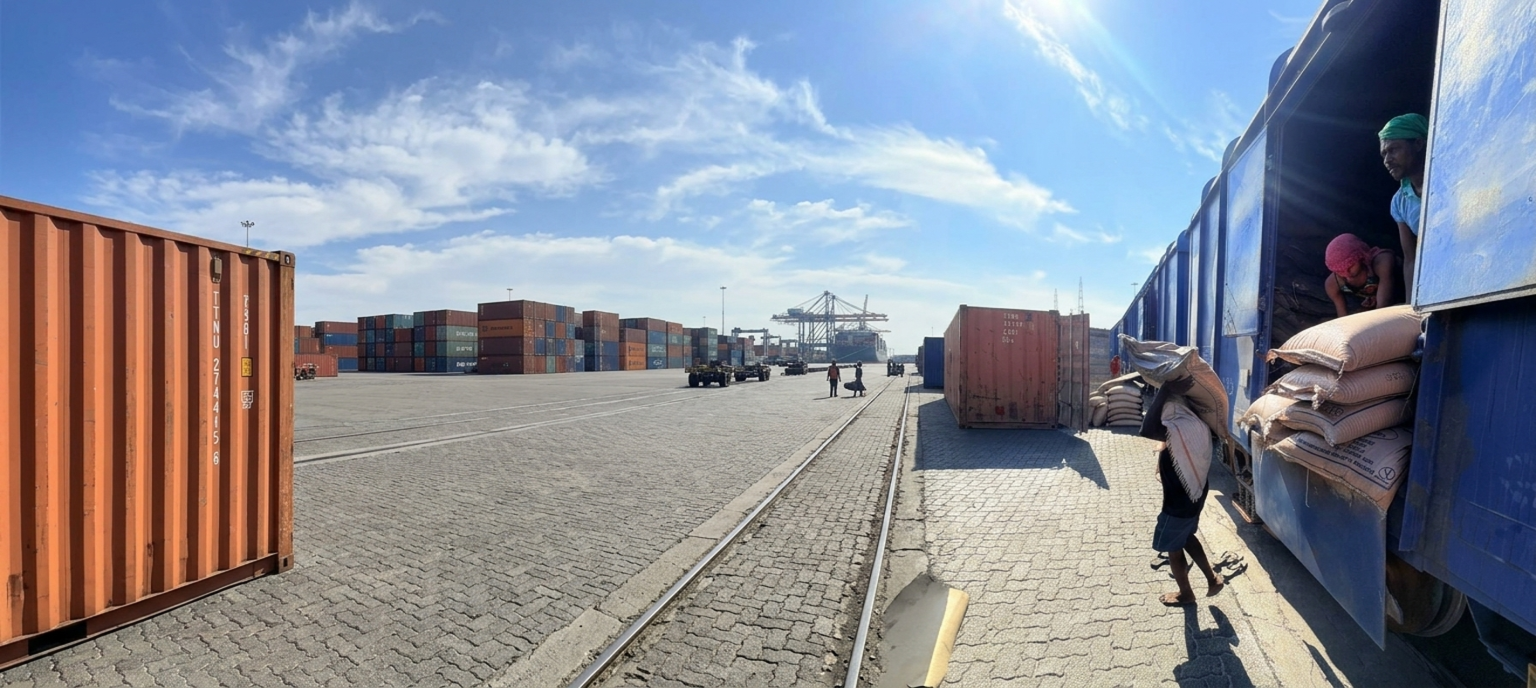
To mitigate risk and compress timelines, Polaris CFS (Isa Group) implemented a micro-planned, parallel execution model.
Rail-Ready Yard
Container positions were decided before wagons arrived.
Sugar movement followed clear internal routes.
Teams and equipment were in place ahead of time.Parallel Stuffing
Multiple containers loaded at once.
Uniform loading across all containers.
Teams coordinated in real time.Zero Idle Time
Wagons moved in the right sequence without breaks.
Direct rail access avoided extra movements.
The full rake was completed within 8 hours.Risk Covered
Extra buffer stacks were created.
Backup labor and equipment stayed on standby.
Re-handling was possible without causing delays.
Results That Mattered
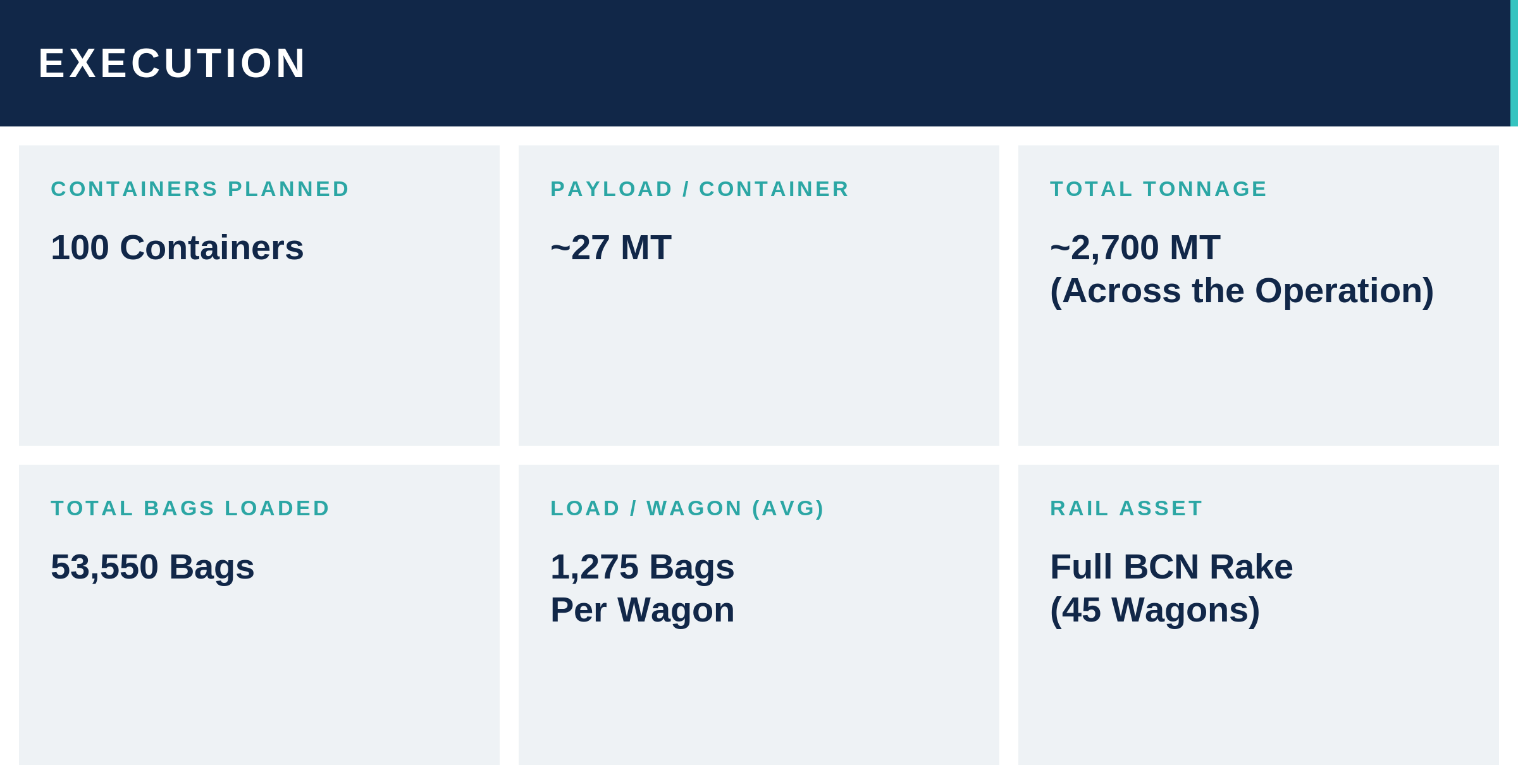
The entire operation was completed within the allotted 8-hour railway window with zero detention hours incurred despite wagon-wise applicability. A total of 53,550 bags of sugar were successfully exported alongside rice consignments. Shipment schedules were protected during a highly sensitive export window while weight accuracy and cargo integrity were maintained across all containers.
Completed within the fixed 8-hour railway window
Zero detention hours incurred
53,550 bags of sugar exported with rice consignments
Shipment schedules protected during a sensitive export window
Cargo weight accuracy and integrity maintained
For the customer, this meant no detention risk, controlled costs, and uninterrupted access to export markets. More importantly, it meant peace of mind during a high-pressure export window, knowing that every wagon, every hour, and every decision was handled with care.
What made this operation significant was not just the scale, but the ability to repeat it. A process earlier proven with 19 wagons was successfully scaled to 45 wagons in a single cycle at Polaris CFS in April 2025. This demonstrated that the execution model was reliable under pressure and could be applied again for future high-volume agro exports, giving customers confidence beyond a one-time success.