The first mile plays a critical role in export shipments, connecting factories and warehouses to CFS facilities and ports. From container placement and cargo readiness to documentation and vessel cut-offs, every stage requires coordination. Explore the challenges of first-mile logistics and how better planning can help exporters keep cargo moving on schedule.
When people think about exports, they usually picture containers crossing oceans. But before cargo ever reaches a vessel, it has to get through what's arguably the trickiest stretch of the whole journey: the first mile.
First-mile logistics is simply the movement of export cargo from a factory or warehouse to a Container Freight Station (CFS), Inland Container Depot (ICD), airport cargo terminal, or straight to the port. It's not a long distance. But a lot has to line up in a short window.
What actually happens during the first mile
Take an engineering company in Pune exporting machinery through Jawaharlal Nehru Port Authority (JNPA) at Nhava Sheva. The movement usually goes something like this: factory readiness, container placement, loading, the road journey, arrival at the CFS or port, then customs and terminal processing.
At the same time, someone's tracking shipping documents, customs requirements, and vessel cut-offs, all of which need to stay in sync with wherever the truck actually is. That's usually where things start to go sideways.
Why Is the First Mile So Challenging?
Factory Readiness Can Change the Entire Schedule
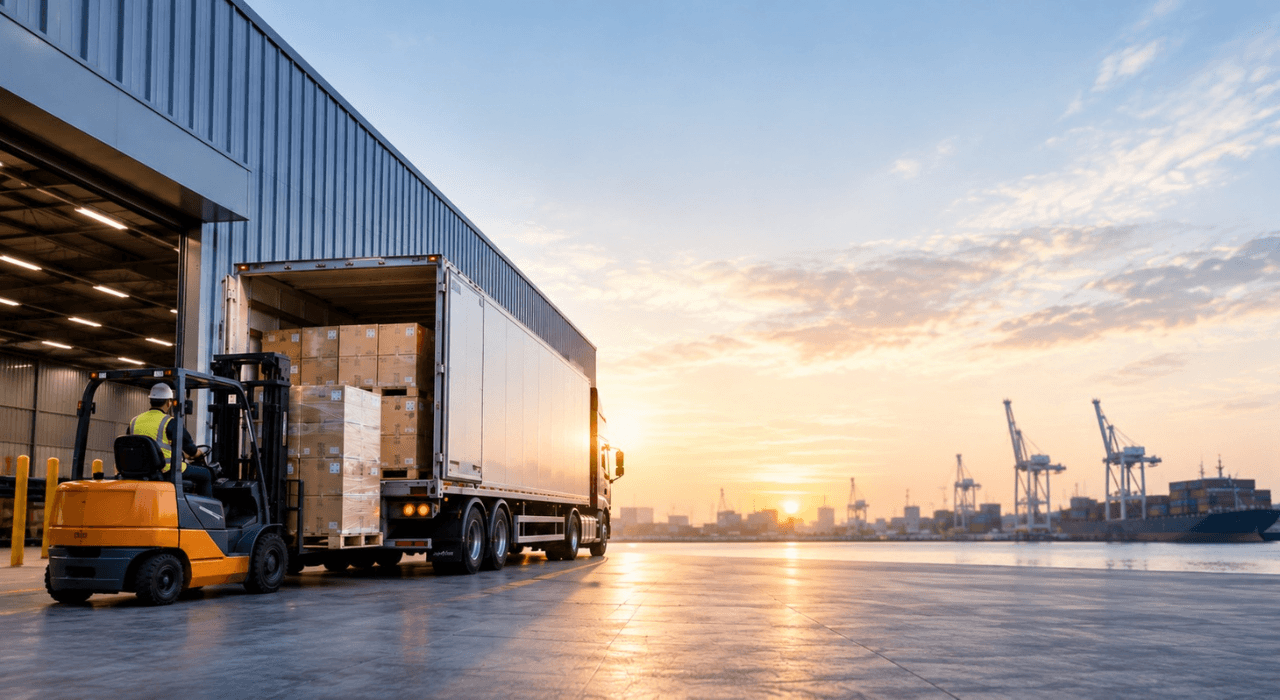
The truck can show up right on time and still end up waiting, because the cargo isn't ready. Production running late, packing left half-done, loading equipment not available any of these can hold a vehicle at the gate, and a couple of lost hours at origin matter a lot more when everything downstream is working toward a fixed vessel cut-off.
Container and Vehicle Placement Need Coordination.
For containerised exports, the right container has to be sourced, brought to the factory, stuffed, and moved out toward the CFS or terminal and the vehicle, container, cargo, and loading crew all need to show up in roughly the same window. When one piece slips, the rest slip with it.
Getting to the Right Port Facility Matters
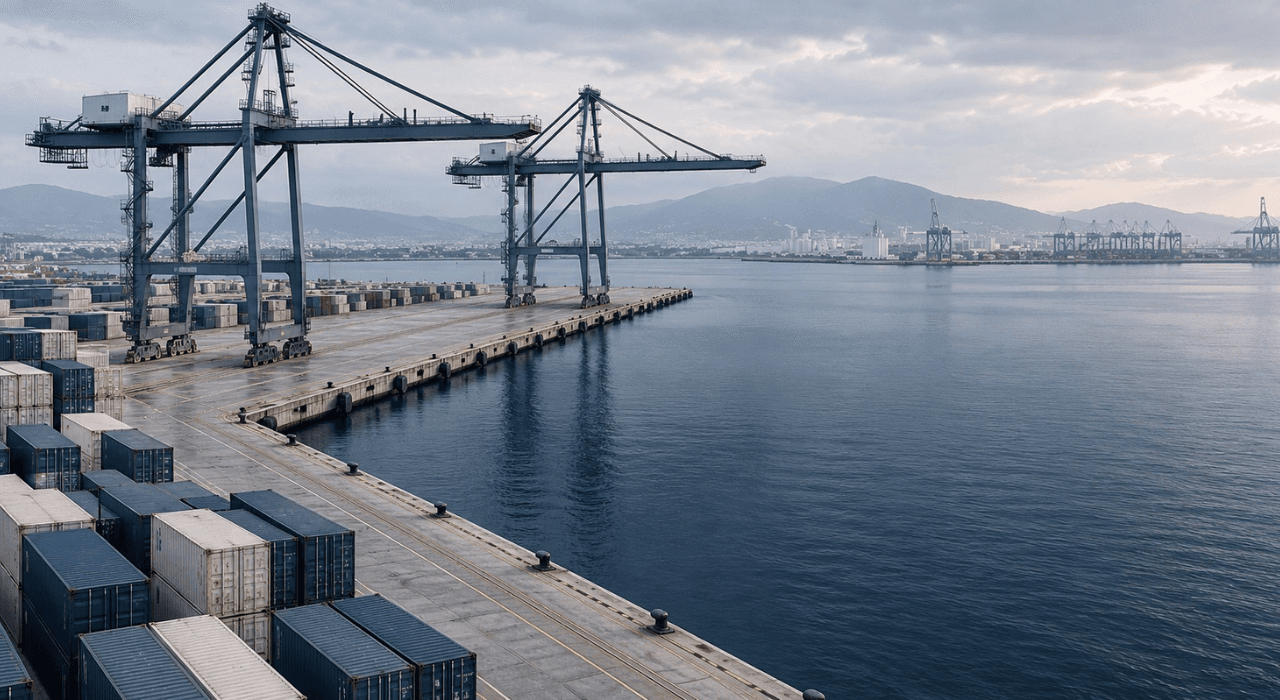
Mumbai and Navi Mumbai have a dense network of export infrastructure. Cargo from industrial belts like Pune, Taloja, Bhiwandi and Thane often routes through CFS facilities near Nhava Sheva before it reaches a terminal at JNPA, which handles containerised cargo across several terminals of its own. Mumbai Port Authority, separately, handles general, break-bulk and project cargo. So first-mile planning isn't just about reaching a port it's about reaching the correct facility at the correct time, which are two different problems.
Documentation Must Move With the Cargo
Shipping bills, invoices, packing lists, container details none of this can lag behind the physical movement. A truck can pull into the CFS exactly on schedule and still burn hours waiting on paperwork that isn't ready.
Vessel Cut-Offs Leave Little Room for Error
Picture that same machinery shipment moving from Pune to Nhava Sheva: loading runs a bit long, traffic eats into the buffer, and the documentation is still being finalised when the truck reaches the CFS. None of these delays looks serious on its own. Stacked together, they're enough to miss the vessel connection they were planned around.
How Can Exporters Make the First Mile More Predictable?
The fix isn't complicated in theory: treat the first mile as part of the full export journey instead of a standalone truck run. Cargo readiness, container placement, transport, documentation, CFS coordination and vessel cut-offs all need to run against one shared timeline rather than five separate ones.
For exporters moving through gateways like JNPA and Mumbai Port, that kind of coordination is usually the difference between a shipment that waits around and one that doesn't. At ISA Logistics, first-mile transport is handled alongside freight forwarding, CFS and customs coordination, so the movement from origin to port stays connected rather than handed off in pieces.
Conclusion
The first mile covers a small fraction of the total shipment, but it sets the tone for everything after it. When cargo, vehicles, documentation and port timelines are planned together from day one, exporters have a far better shot at staying on schedule.
Frequently Asked Questions
What is first-mile logistics in exports?
It's the movement of export cargo from a factory or warehouse to a CFS, ICD, airport cargo terminal or port the leg before the main international journey begins.
Why does the first mile matter so much?
Because delays here in loading, vehicle placement, documentation or transport ripple forward and can jeopardise port cut-offs and vessel connections.
What typically goes wrong during the first mile?
Factory readiness, container or vehicle availability, documentation delays, road congestion, and coordination gaps with CFS or port operations are the usual culprits.
How does first-mile logistics work for JNPA-bound exports?
Cargo from manufacturing hubs like Pune or Taloja generally moves toward a CFS near Nhava Sheva before entering a terminal, and that movement has to stay aligned with customs and vessel cut-off timings.
How can exporters cut down on first-mile delays?
Plan backwards from the vessel cut-off, get cargo and paperwork ready early, coordinate vehicle and container placement in advance, and build in a reasonable transit buffer.