Discover how domestic cargo moves across India by air and road, connecting major manufacturing, commercial and logistics hubs. From Delhi–Mumbai and Mumbai–Bengaluru to port-linked movements through JNPA, explore how businesses choose the right transport mode based on shipment size, urgency, cost and delivery requirements across India's growing supply chain network.
Every day, cargo is on the move between India's factories, warehouses, airports, ports and distribution centres. A shipment made near Pune might be headed for a warehouse in Bengaluru.
A component needed urgently in Delhi might have to reach a Mumbai facility by the next morning. And cargo that's just landed at JNPA still has a few hundred kilometres left before it actually gets where it's going.
For most of these domestic movements, road and air are the two options on the table.
Knowing how these movements actually work makes it easier for businesses to pick the right plan for a given shipment.
How Domestic Cargo Movement Actually Works
Most domestic shipments start the same way a pickup from a factory, warehouse, supplier or distribution centre. What happens after that depends on the mode chosen.
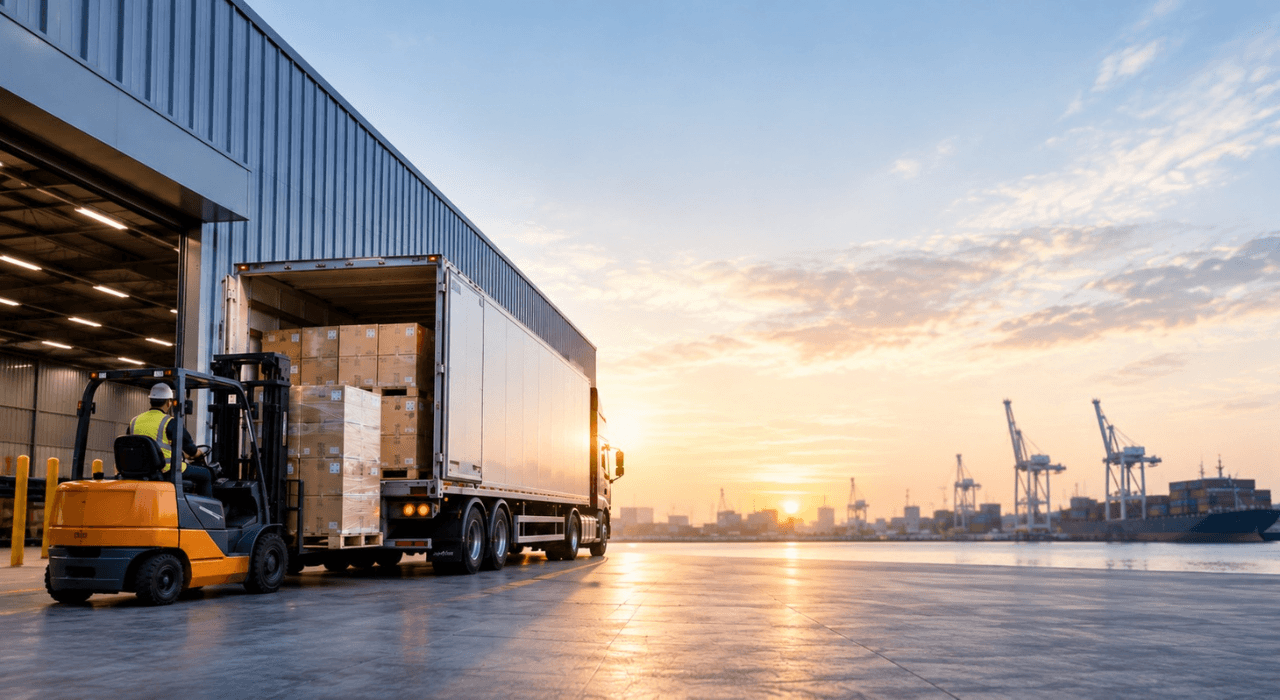
Road cargo can go straight to its destination, or it might pass through a consolidation hub along the way. Air cargo has a few more steps: it has to get to the origin airport, go through cargo processing, fly, and then travel by road again from the destination airport to wherever it's actually needed.
Roughly, the journey looks like this:
Pickup → Origin Hub → Air or Road Movement → Destination Hub → Final Delivery
That's really why planning a shipment is more than just picking the fastest truck or the next available flight every stage of that chain has to fit within the delivery window.
Moving Cargo by Road
There are two models businesses typically choose between: Full Truck Load (FTL) and Part Truck Load (PTL).
FTL makes sense when there's enough cargo to fill a dedicated vehicle, or when a shipment can't be mixed with other loads. A manufacturer moving a large consignment from Mumbai to Bengaluru, for instance, would likely go with FTL rather than have it consolidated with other shipments.
PTL is for smaller consignments cargo from different customers gets combined into one vehicle heading toward a shared destination or region, so businesses aren't paying for space they don't need.
Which one fits depends on how much cargo there is, how it needs to arrive, and how much flexibility the business actually needs.
When Air Cargo Is Worth It
Air cargo starts to make sense once time matters more than the cost of getting it there.
Think urgent industrial parts, pharmaceuticals, electronics, high-value goods, samples, critical spares the kind of shipment where a delay costs more than the airfreight would. If a Mumbai production line is sitting idle waiting on a Delhi component, a few days lost to road transport can hurt a lot more than the extra spend on air.
India's domestic air cargo market is projected to grow from around 784,000 metric tons in 2025 to roughly 1.1 million metric tons by 2034, as e-commerce and time-sensitive shipments keep pushing volumes up.
Source: IMARC Group
That said, a short flight doesn't mean a short journey door to door.
The cargo still has to be picked up, processed at the origin airport, loaded, flown, unloaded, cleared at the other end, and driven to its final destination. Which is why the first mile and the last mile end up mattering just as much as the flight itself.
India's Major Domestic Cargo Routes
Cargo flow in India tends to cluster around the country's biggest manufacturing, consumption and logistics hubs. A few routes that come up again and again:
Delhi–Mumbai
Delhi–Mumbai connects two of the country's biggest commercial markets and, along the way, links industrial belts across the north and west.
With the Delhi–Mumbai Expressway now largely operational, road transit time on this corridor is expected to fall from roughly 24 hours to about 12 hours once the final stretch opens.
Source: InfraMantra
Mumbai–Bengaluru
Mumbai–Bengaluru carries a steady mix of manufacturing, tech, electronics, retail and distribution cargo moving between western and southern India.
Mumbai–Pune
Mumbai–Pune is a shorter but heavily used route, thanks to Pune's automotive, engineering and manufacturing base.
The new Mumbai–Pune Expressway tunnel, opened in May 2026, shaves around 25–30 minutes off the drive though hazardous cargo like fuel and LPG still has to take the old ghat route.
Source: StayVista
Chennai–Bengaluru
Chennai–Bengaluru links two southern hubs with substantial automotive, electronics, manufacturing and distribution activity.
Once fully complete, the Bengaluru–Chennai Expressway is expected to cut the drive from 5–7 hours to under 3 hours -though the project has slipped its completion date more than once.
Source: StayVista / ThePrint
These routes also show why one transport model doesn't fit every shipment on them. A large Mumbai–Bengaluru consignment might travel by road, while a smaller, time-critical shipment on the very same route could need to fly.
Where JNPA Fits Into the Picture
Domestic transportation matters even when the main journey is international.
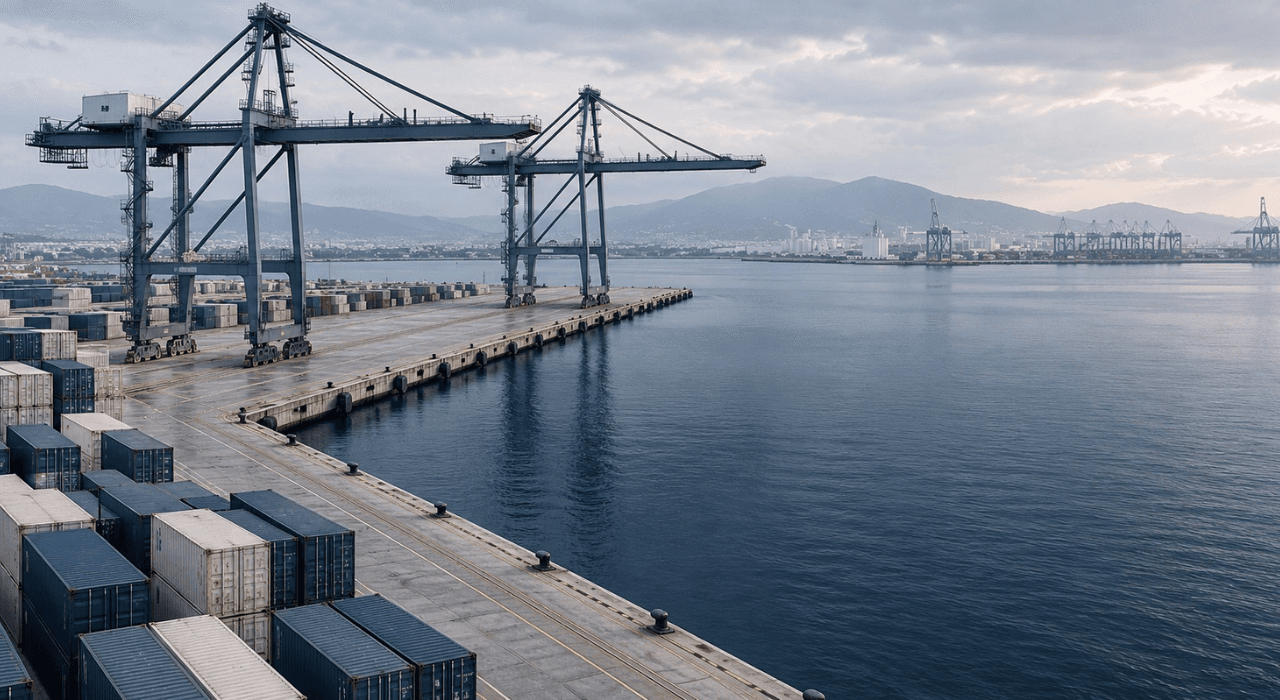
Take cargo arriving at Jawaharlal Nehru Port Authority (JNPA) in Navi Mumbai- the ship docking there doesn't mean the cargo has arrived. Once it clears the port, it still has to travel to a factory, warehouse or distribution centre elsewhere in the country. JNPA's road and rail links to its hinterland are what make that onward movement possible, connecting the port to India's industrial and commercial centres.
JNPA handled a record 102 million tonnes of cargo in FY 2025–26, up 10.74% year-on-year, with container volumes crossing 8.17 million TEUs all of it still needing a truck or a flight to reach where it's actually going.
Source: Indian Infrastructure
Exports work the same way in reverse cargo made inland has to reach the port before its international journey can even start.
So even when the main leg of a shipment travels by sea, it's domestic transport that actually connects the port to where the goods are really coming from or going to.
Choosing Between Air and Road
There's no single answer that works for every shipment. A few things tend to decide it:
Transit time - how soon does it need to arrive?
Shipment size - small consignment, or enough for a dedicated truck?
Cargo type - does it need special handling or faster movement?
Distance - how far is origin from destination?
Cost - does the timeline justify paying more for air?
Connectivity - how well-connected are the pickup and delivery points to highways and airports?
Often it's not really a question of "air is faster" versus "road is cheaper." It's about which option actually makes sense operationally and commercially for that particular shipment.
Moving Cargo Across India with Isa Logistics
As supply chains stretch across more cities and states, businesses need domestic transport that can reliably connect suppliers, facilities, warehouses and customers.
Isa Logistics handles Pan-India cargo movement through both air cargo and surface transportation, covering routes like Delhi–Mumbai, Mumbai–Bengaluru and other domestic corridors.
The goal is straightforward: coordinate the movement from origin to destination in a way that fits the cargo, the route and the delivery timeline.
For businesses already handling international freight or port-linked cargo, this also means the domestic leg connects cleanly with the rest of the supply chain.
Conclusion
India's domestic cargo network runs on two strengths road for flexibility and reach, air for speed when time is tight.
That math is shifting in India's favor overall logistics costs have fallen to roughly 8% of GDP, down from the 13–14% range just a few years ago, largely on the back of this kind of infrastructure investment.
The right choice comes down to the cargo, the route, the cost and how soon it needs to get there.
FAQs
1. How is domestic cargo transported across India?
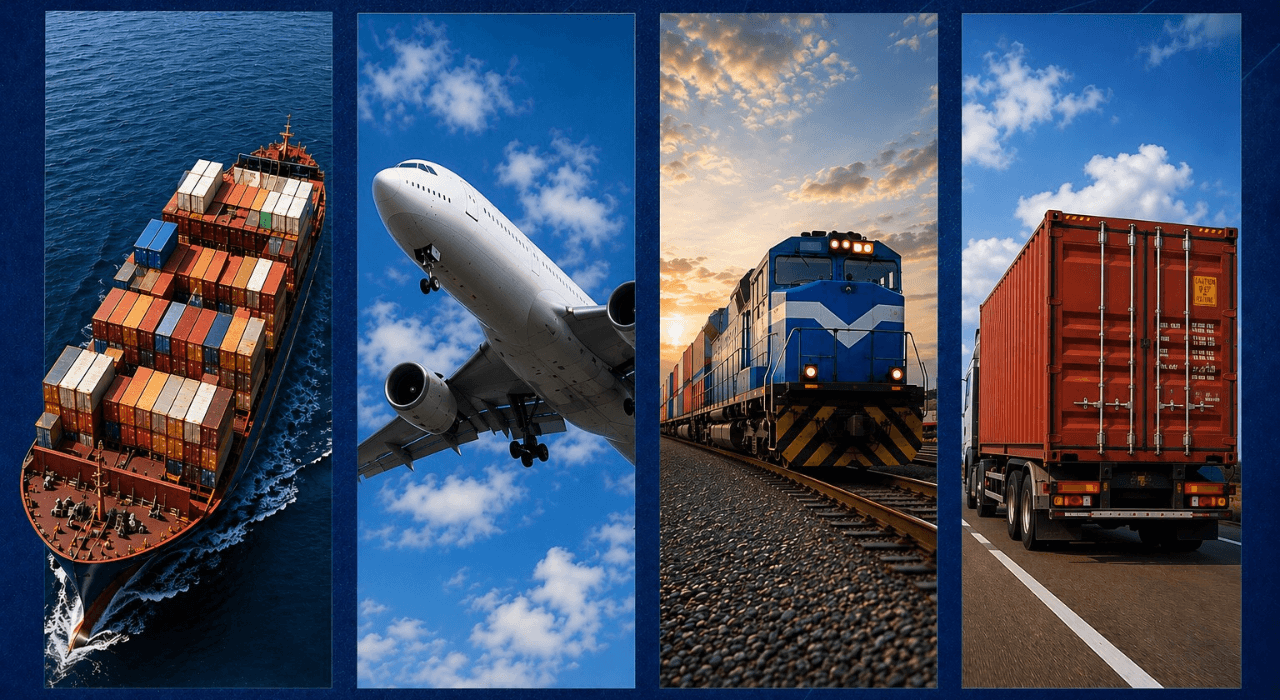
Through road, air, rail, and combinations of these. Road and air are the most common for intercity cargo, and the choice depends on shipment size, urgency, distance and destination.
2. What's the difference between FTL and PTL?
FTL means a dedicated truck for one shipment. PTL means smaller consignments share vehicle space with other cargo.
3. When should businesses choose air over road?
When the shipment is urgent, time-sensitive or high-value - cases where the cost of a delay outweighs the extra cost of flying it.
4. How does JNPA connect with domestic cargo movement?
Through road and rail networks linking the port to India's hinterland. Cargo arriving at JNPA moves inland to factories and distribution centres, and export cargo moves from inland locations toward the port.
5. Does Isa Logistics handle domestic cargo transportation?
Yes, Isa Logistics supports Pan-India cargo movement through air cargo and surface transportation, including major routes like Delhi–Mumbai and Mumbai–Bengaluru.