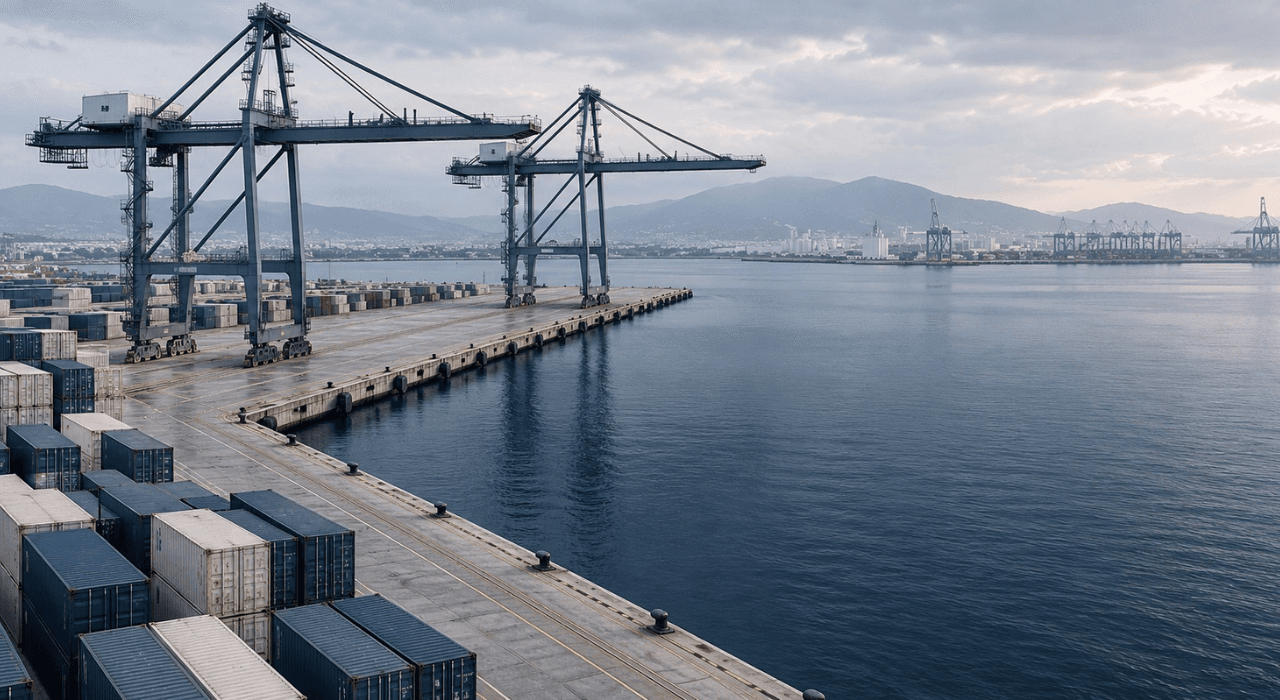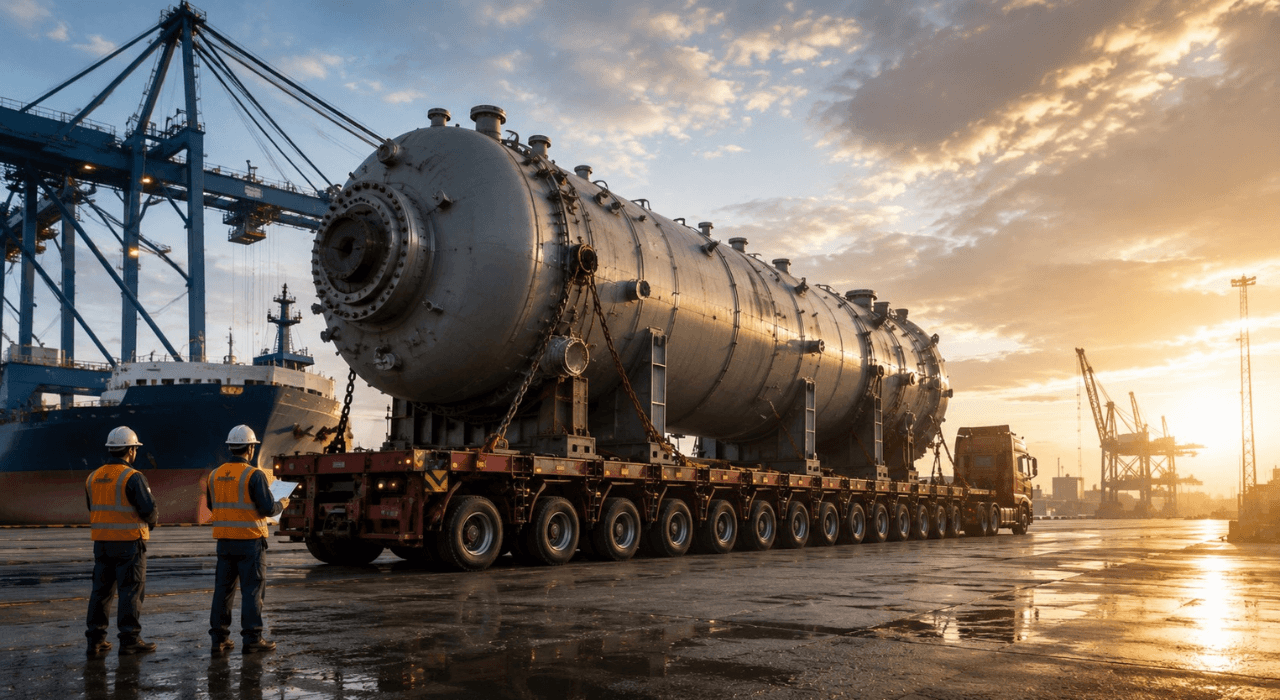
Engineering assessments are the foundation of successful heavy lift logistics. From analysing cargo dimensions and planning routes to selecting equipment, lift planning, and obtaining permits, they help minimise risks, improve safety, control costs, and ensure efficient project execution. Discover what every engineering assessment covers before oversized cargo begins its journey.
Moving industrial equipment is a lot more complicated than transporting regular freight.
It does not matter what you are moving. A piece of equipment for a refinery, a power transformer, a part for a wind turbine or some large manufacturing equipment. All of these things interact with infrastructure in ways that regular freight does not: roads, bridges, flyovers, power lines, factory gates and unloading areas.
This is where the engineering assessment for lift cargo comes in. It is a detailed evaluation that covers things like looking at the cargo, checking the route, choosing the right equipment, planning the lift, getting the necessary permits and thinking about the risks. This is the foundation of every heavy lift logistics project.
What the Assessment Actually Covers
The Cargo Itself
Every assessment starts with the cargo. You need to look at the drawings, the manufacturers specifications, the dimensions, the weight, the center of gravity, the lifting points and the structural integrity. Two pieces of equipment can weigh the amount. 120 Tonnes. But they still need to be handled in completely different ways. A transformer with a center of gravity is very different from a tall pressure vessel. They need trailers, different lifting arrangements and different ways of securing them. This is also where you figure out what kind of insurance you need for the cargo because the type of coverage you need depends on the value, fragility and risk of the cargo.
Route Survey and Infrastructure Assessment
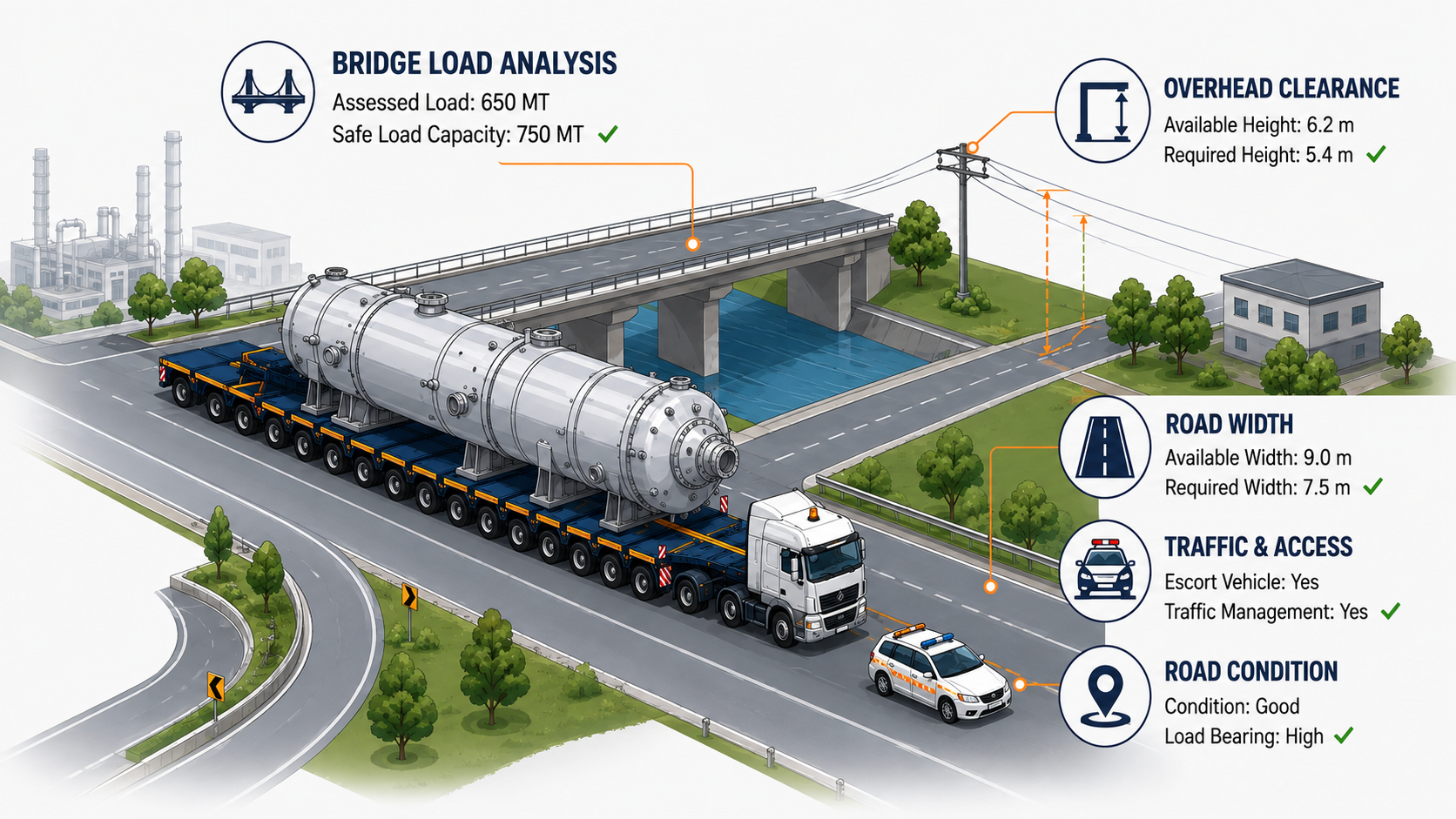
Next you need to do a route survey for cargo. This means looking at the width of the roads, the condition of the pavement, the capacity of the bridges, the steepness of the hills, the tightness of the turns, the location of flyovers, railway crossings and power lines as well as any restrictions on traffic and access to the site. Now you can use drones and GPS to help with this survey and make it more accurate.
On a recent project, the Isa Logistics team used this level of scrutiny to catch an 8-foot dimensional discrepancy at the loading site, restructuring the vehicle plan on the spot and still delivering within the committed 12-hour operational window.
Selecting the Right Transport Equipment
Not all heavy trailers are the same. The choice of equipment depends on how the weight's distributed, the size of the cargo, the condition of the roads and how much maneuvering you need to do.
Multi-axle low-bed trailers are better for heavy loads because they can spread the weight across more axles. Modular trailers (SPMTs) are better for moving things around inside sites, especially in tight spaces. Extendable trailers can stretch to carry oversized pieces like wind turbine blades. The engineering assessment is what determines which of these configurations fits the job.
Lift Planning & Crane Engineering
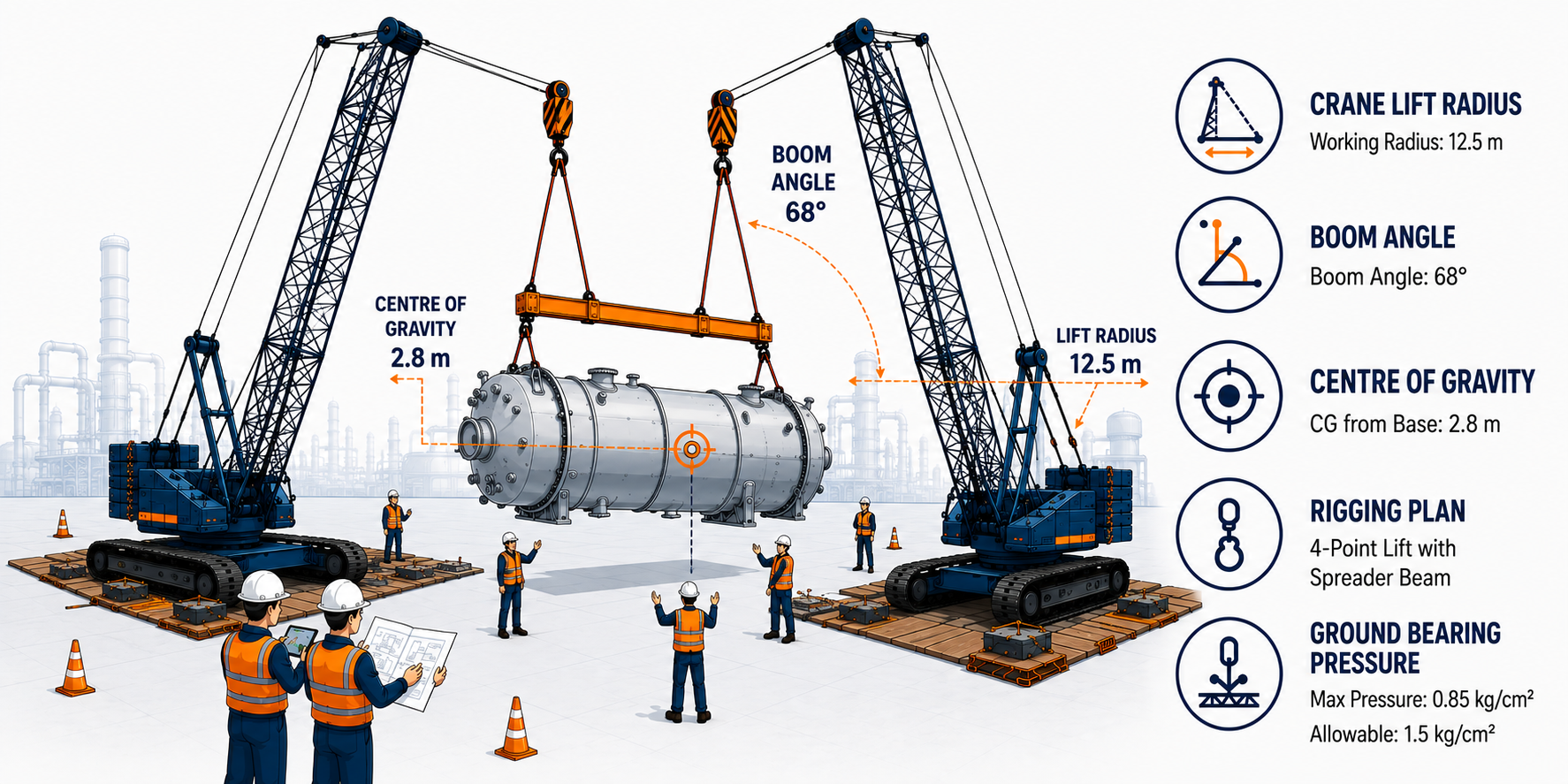
Getting the cargo to its destination is half the job. You also need to plan how to load and unload it. A lifting study checks if the crane can actually handle the weight of the cargo given the distance from the crane to the cargo, the configuration of the crane, the rigging, the condition of the ground and the wind.
For example if you are moving a 250-tonne steam boiler, you need to make sure the crane can make the lift from its working position, calculate its capacity at that specific distance, specify the right spreader beams and slings and sequence the lift so the crane never exceeds its safe limits. You also need to think about the pressure on the ground under the cranes outriggers. If the ground cannot take the weight you need to use crane mats or reinforced foundations first.
Regulatory Compliance and Risk Assessment
Oversized cargo usually needs approval from authorities. Highway departments, city officials, traffic police, utility companies and port authorities. The engineering team puts together the documents needed for this: drawings of the route, calculations of the weight on each axle, descriptions of the transportation method and lifting studies. Good documentation is what keeps the approval process from getting bogged down. It usually includes customs clearance requirements for the cargo as well as the movement permits.
The last part is thinking about the risks: what could go wrong - bad weather, breakdowns, blocked access to the site, traffic disruptions, limits on the infrastructure. And having a plan in place before it happens rather than after.
Where the Cost Savings Come From
Businesses often choose project cargo services based on the price but thorough assessment upfront can shorten the route, get the equipment selection right the time and cut down on the delays that come from planning the lift on the fly.
This is also where the value of an experienced logistics partner compounds. A partner with established CFS (container freight station) partnerships can move cargo through customs and staging faster, without the delays that come from starting those relationships from scratch. Warehousing tie-ups mean cargo isn't sitting idle waiting for the next leg of the move. And a partner who has already worked the route, who knows which authorities to approach, which permits take time and which ground conditions need reinforcement spends less time discovering problems and more time avoiding them.
Conclusions
As renewable energy, petrochemicals, mining, infrastructure and manufacturing keep getting bigger the equipment involved keeps getting bigger and heavier. And project logistics in India is having to keep up. What used to be transportation now has to include engineering analysis, route feasibility, equipment planning, lift methodology and permit management as one connected process combining what used to be separate services into end to end project logistics.
Frequently Asked Questions
What is an engineering assessment in heavy lift logistics?
It is an evaluation that is done before transporting oversized or heavy cargo. It covers looking at the cargo, checking the route, choosing the right equipment, planning the lift, getting the necessary permits and thinking about the risks.
What should you actually check in an assessment report before signing off?
Look for route-specific detail, not generic checklists: named bridges and their load ratings, specific turning radii at identified tight points, axle-by-axle weight calculations, the exact crane configuration and its capacity at working distance, and a clear permit and approval timeline. If the report reads like it could apply to any move rather than yours, it probably hasn't been done properly.
Who conducts the assessment in-house engineers or third-party consultants?
Depends on the provider and the complexity of the move. Established logistics partners often have in-house engineering teams for standard heavy-lift work, and bring in specialized third-party consultants for unusual cargo or particularly demanding sites. Either can work well, what matters more is whether the team has direct experience with cargo similar to yours.
What kind of cargo typically needs this?
Power transformers, refinery reactors, wind turbine components, pressure vessels, boilers, generators, mining equipment and large manufacturing skids.
How does it actually save money?
By catching the problems that cause route changes, permit delays, re-mobilization and crane idle time before they happen of after.
What's included in end- to-end project logistics?
Engineering assessment, transport planning, route surveys, equipment selection, lifting studies, permit management, transportation and final delivery. All run as one connected process than separate handoffs.