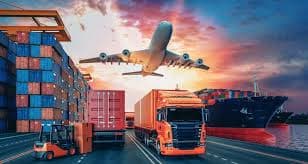
In today’s fast-paced and competitive market, logistics operations must be faster, smarter, and more transparent than ever. A modern logistics application helps businesses streamline transportation, track shipments in real time, reduce operational costs, and improve customer satisfaction. This blog explores how a logistics application can transform supply chain management and drive business growth.
The logistics industry is evolving rapidly, driven by increasing customer expectations, global trade expansion, and the demand for real-time visibility. Traditional logistics processes that rely on manual coordination and fragmented systems are no longer sufficient. This is where a powerful logistics application plays a critical role.
A logistics application centralizes all logistics operations into a single digital platform. From order management to delivery tracking, businesses gain complete control over their supply chain. Real-time tracking allows companies and customers to monitor shipments at every stage, reducing uncertainty and improving trust.

One of the biggest advantages of a logistics application is operational efficiency. Automated route planning, shipment scheduling, and inventory updates help reduce delays and minimize human errors. With data-driven insights, logistics managers can identify bottlenecks, optimize delivery routes, and make informed decisions faster.
Cost reduction is another major benefit. By optimizing routes, reducing fuel consumption, and improving asset utilization, businesses can significantly lower transportation and operational costs. Automated documentation and digital records also reduce paperwork and administrative overhead.
Customer satisfaction improves dramatically with better communication and transparency. Notifications, accurate delivery timelines, and real-time updates keep customers informed, leading to a better overall experience. Happy customers are more likely to become repeat customers, giving businesses a competitive edge.
In addition, logistics applications are highly scalable. Whether a business manages local deliveries or global shipments, the system can grow alongside operations. Integration with ERP systems, warehouses, and third-party carriers ensures seamless collaboration across the supply chain.
In conclusion, a smart logistics application is no longer a luxury—it is a necessity. By embracing digital transformation, logistics companies can improve efficiency, reduce costs, and deliver exceptional service in an increasingly demanding market.