Beyond the Headlines: What the Strait of Hormuz Crisis Means for Chemical Importers
Rising tensions in the Strait of Hormuz affect more than shipping schedule they influence freight costs, insurance premiums, sourcing decisions, and supply chain reliability. This blog explores what these changes mean for chemical importers and how proactive logistics planning helps businesses reduce risk, control landed costs, and keep operations running smoothly.
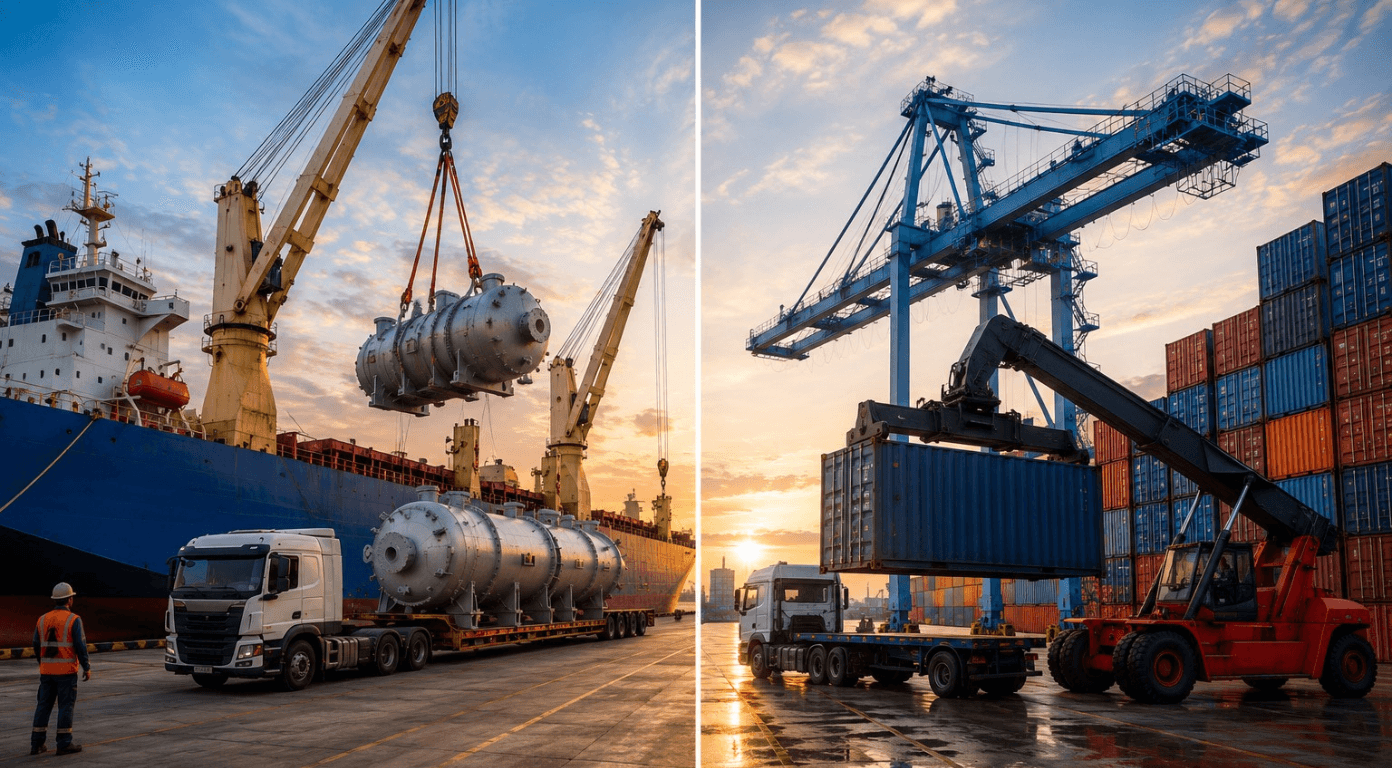
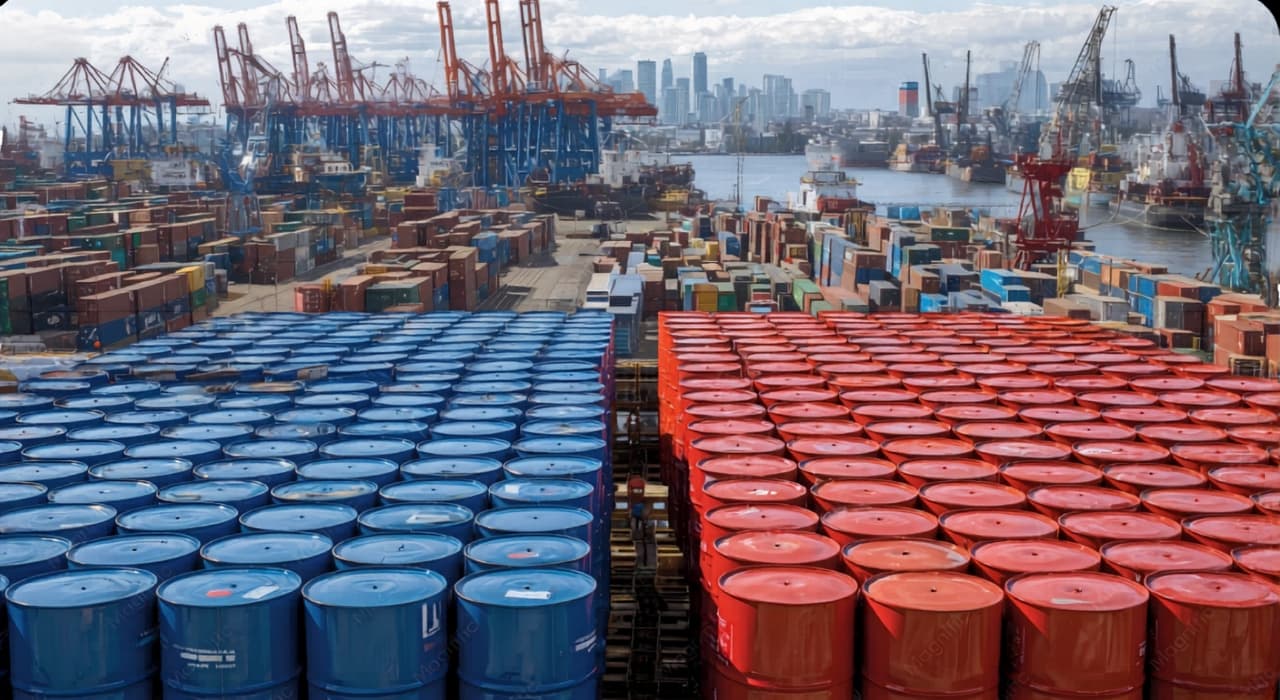
The Strait of Hormuz is one of the most strategically important waterways in global commerce. A significant share of the world's oil, LNG, petrochemicals, methanol, aromatics, and chemical feedstocks moves through this narrow passage before reaching manufacturing hubs across Asia.
For Indian chemical manufacturers, these shipments aren't a side concern they're core supply chain. Solvents for coatings, intermediates for pharmaceuticals, feedstocks for polymers, specialty chemicals for industrial manufacturing: a lot of it either originates in or transits through the Gulf. When that corridor gets tense, the effects show up fast.
The Impact Starts Before the Ship Ever Moves
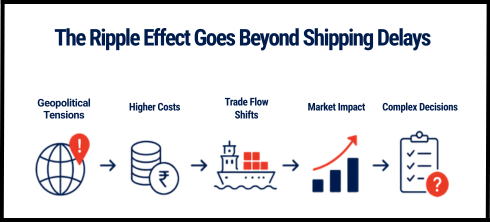
The easy assumption is that geopolitical tension means delayed cargo. The real impact starts earlier than that.
Import Planning Needs to Become More Strategic
Headlies move fast. Shipping realities move slower and in the wrong direction, that lag is the real risk.
Right now, war-risk insurance is running at several times normal levels, and daily transits are down to a fraction of pre-crisis volume. Treating a de-escalation headline as a green light for procurement is one of the costliest assumptions a team can make at the moment.
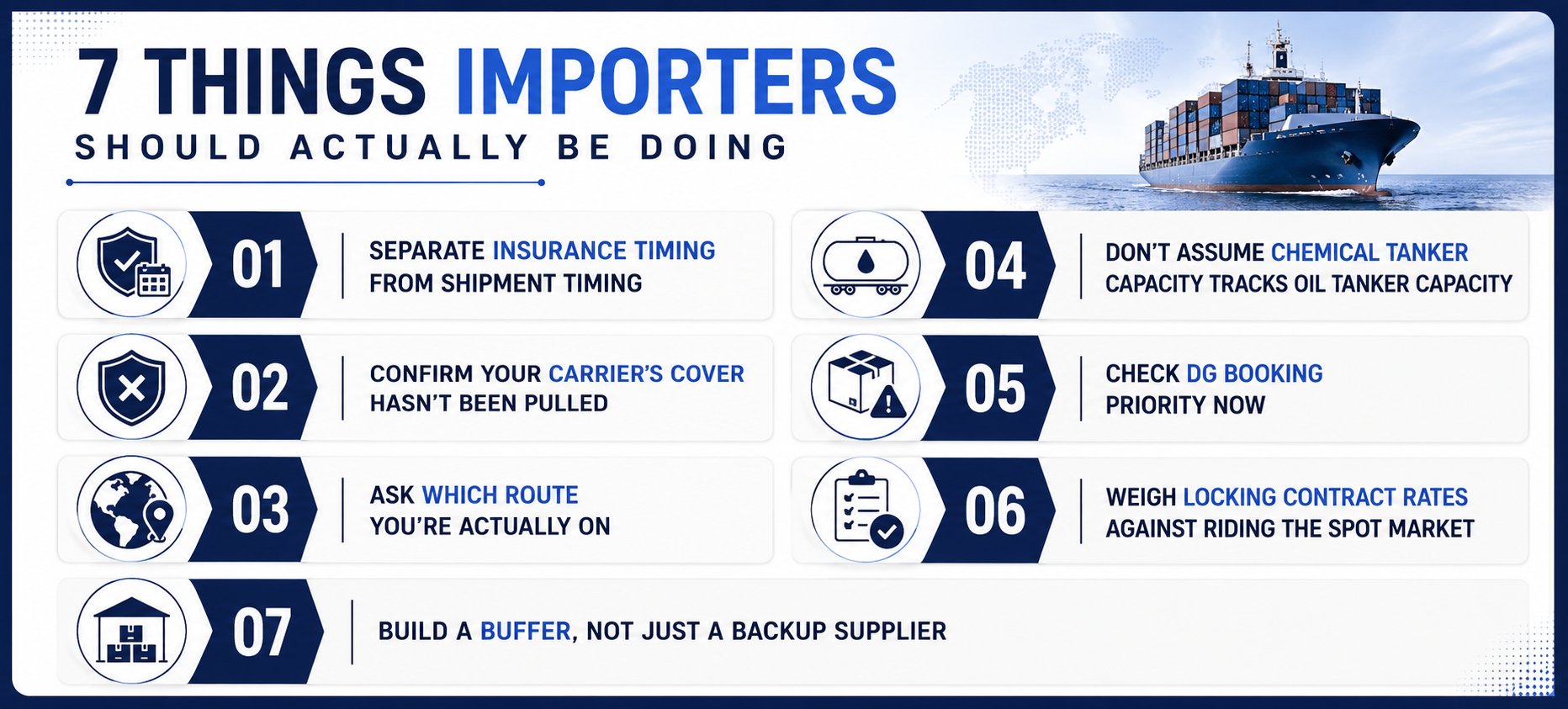
A few things importers should actually be doing:
Separate insurance timing from shipment timing. War-risk premiums are being re-rated week to week. Ask your forwarder for "held covered" clauses and lock rates ahead of renewal windows not at the point of shipment.
Confirm your carrier's cover hasn't been pulled. Several marine insurers have already withdrawn cover on this route. Verify this before committing cargo, not after it's already at sea.
Ask which route you're actually on. Vessels are split between the Iran-designated corridor and the Oman-hugging southern route, with different risk and cost profiles. Know which one your cargo is using.
Don't assume chemical tanker capacity tracks oil tanker capacity. Crude and LNG flows resuming doesn't mean chemical parcel tanker capacity comes back on the same timeline. Ask for category-specific ETAs, not oil-market headlines.
Check DG booking priority now. Hazmat-classified cargo is usually first to get bumped when carriers tighten capacity. Confirm your booking priority with your forwarder before the crunch hits, not during it.
Weigh locking contract rates against riding the spot market. Spot rates on affected lanes are climbing fast. This is the window to review multi-month contract rates with war-risk clauses built in.
Build a buffer, not just a backup supplier. A second supplier doesn't help if both are waiting on the same strait. Positioning four to six weeks of stock in a bonded CFS decouples your production schedule from transit unpredictability without paying full duty upfront.
For specialty chemical importers, where production often depends on specific raw materials showing up on time, even a short delay can cascade through the whole operation. Right now, strategic import planning means building a supply chain that can absorb uncertainty before it reaches the production line not just moving cargo efficiently when conditions are calm.
How Isa Logistics Helps
Chemical logistics is more than moving cargo between ports.
Our own CFS infrastructure at JNPT, Conex and Polaris gives us a practical hedge against exactly this kind of volatility: bonded buffer storage, not just advice to diversify sourcing. Our teams track evolving trade conditions, evaluate routing options, coordinate customs clearance, and handle specialised chemical shipments with the level of precision they need.
That combination freight forwarding know-how plus a real understanding of chemical supply chains is what lets us help customers make informed decisions instead of reactive ones.
Final Thoughts
Businesses can't control geopolitical events. What they control is how prepared they are to respond.
For chemical importers, that means looking past today's headlines and building supply chains that are flexible, informed, and resilient. When uncertainty becomes a regular part of global trade, preparation is one of the highest-return investments a business can make.
The next headline may change tomorrow. A well-planned supply chain keeps delivering long after it does.
FAQs
1. Why is the Strait of Hormuz important for chemical imports?
It's one of the world's busiest maritime trade routes, carrying significant volumes of petrochemicals, methanol, aromatics, solvents, and other chemical feedstocks essential to manufacturing worldwide.
2. How does geopolitical uncertainty affect chemical imports?
It sharply raises freight rates and war-risk insurance premiums, alters shipping schedules, extends transit times, and creates uncertainty around sourcing and inventory planning. In the current crisis, war-risk premiums have run at several times normal levels and daily transits have fallen to a fraction of pre-crisis volume so the impact shows up in cost and reliability long before it shows up as an actual delay.
3. Why should businesses focus on landed cost instead of product price?
Because the real cost of importing chemicals includes freight, insurance, storage, inventory carrying costs, and transit reliability not just what the supplier quotes.
4. Should chemical importers diversify their sourcing strategy?
Yes, but diversifying suppliers alone isn't enough if every supplier still routes through the same strait. Pairing alternate sourcing with a bonded buffer-stock strategy gives you a cushion that doesn't depend on any single corridor staying open.
5. What is a bonded buffer stock strategy, and how does it help? It means holding four to six weeks of raw material stock in a bonded container freight station instead of relying purely on just-in-time shipments. Because the stock sits in bonded storage, duty isn't paid until it's released, so it doesn't tie up working capital the way fully cleared safety stock would. It buys production teams time to absorb a shipping delay without a line stoppage.
6. How can Isa Logistics support chemical importers?
End-to-end chemical freight forwarding, customs clearance, specialised cargo handling, shipment visibility, and trade lane expertise backed by owned CFS infrastructure at JNPT (Conex and Polaris) for bonded buffer storage to help businesses keep supply chains efficient and resilient.